
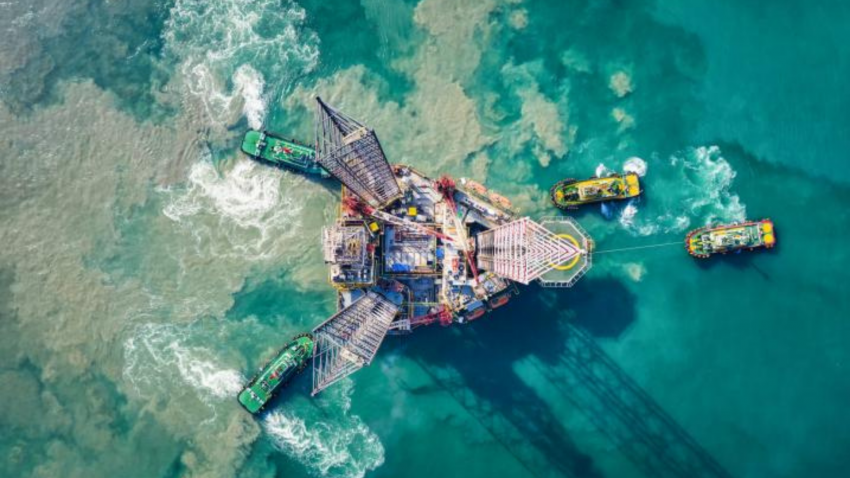
The world must cut fossil fuel production by 6 per cent per year to avoid the worst of global warming. Instead, countries are projecting an average annual increase of 2 per cent. Those are among the sobering findings of the latest Production Gap Report. The report urges making COVID-19 recovery a turning point, where countries should steer investments into changing course to avoid “locking in” dependence on polluting coal, oil and gas.

Every day more than 1 billion meals are left uneaten. From a food security perspective, this mountain of discarded food is problematic. But it creates other problems as well. As it decomposes in landfills, rotting food releases enough methane to make it one of the major drivers of planet-warming greenhouse gas emissions.

Pregnancy and childbirth have become a “new fault line in the global climate crisis” as extreme heat worsens, the head of the UN climate action body (UNFCCC) warned on Monday, calling for maternal and newborn health to be built into countries’ climate plans.

From climate finance to ocean stewardship, Pacific countries are developing solutions rooted in local priorities and built to last.