

As of 2025, 150 experimental fusion devices and testing facilities are operating, under construction, or planned, with over 20 fusion plant designs in development. Recent scientific and technical advances, a dynamic private sector, and the pressing concerns of climate change and energy security have shifted the focus to fusion power as a sustainable energy source. The 30th IAEA Fusion Energy Conference (13–18 October) in Chengdu, China, serves as a platform to reflect on the priorities of this new era in fusion energy research, development, demonstration, and preparation to deployment.
IAEA

“Every person that walks through the door is a new person, a new friend … if they leave the exam room with a smile and feeling hope, then you've done a good job.”
Whenever a new cancer patient entered her office in the U.S., Dr. May Abdel-Wahab knew she could help by palliating their pain and working towards a cure. Now, as Director of the Division of Human Health at the International Atomic Energy Agency (IAEA), she delivers hope to patients in places where treatment has until now been unavailable.
“So much can be done to treat cancer, but too many people in the developing world have no access to care. It's unthinkable. It's unfair.”
With global cancer cases expected to mount in the next two decades, the IAEA is equipping low- and middle income countries with training and radiotherapy to help more people survive the disease. In this episode, Dr. May Abdel-Wahab reflects on the outlook for cancer outcomes around the world, the challenges of anchoring new treatment centres, and shares how her upbringing taught her to see the world as one human family.
Photo: ©IAEA/Dean Calma
This type of glass has been produced for nearly 200 years, and it contains the first ever discovered radioactive element.
Can you guess what it is?

In 2024, the IAEA advanced global peace, health, and development through initiatives like Antarctic research, cancer care, sustainable agriculture, and nuclear energy innovation.
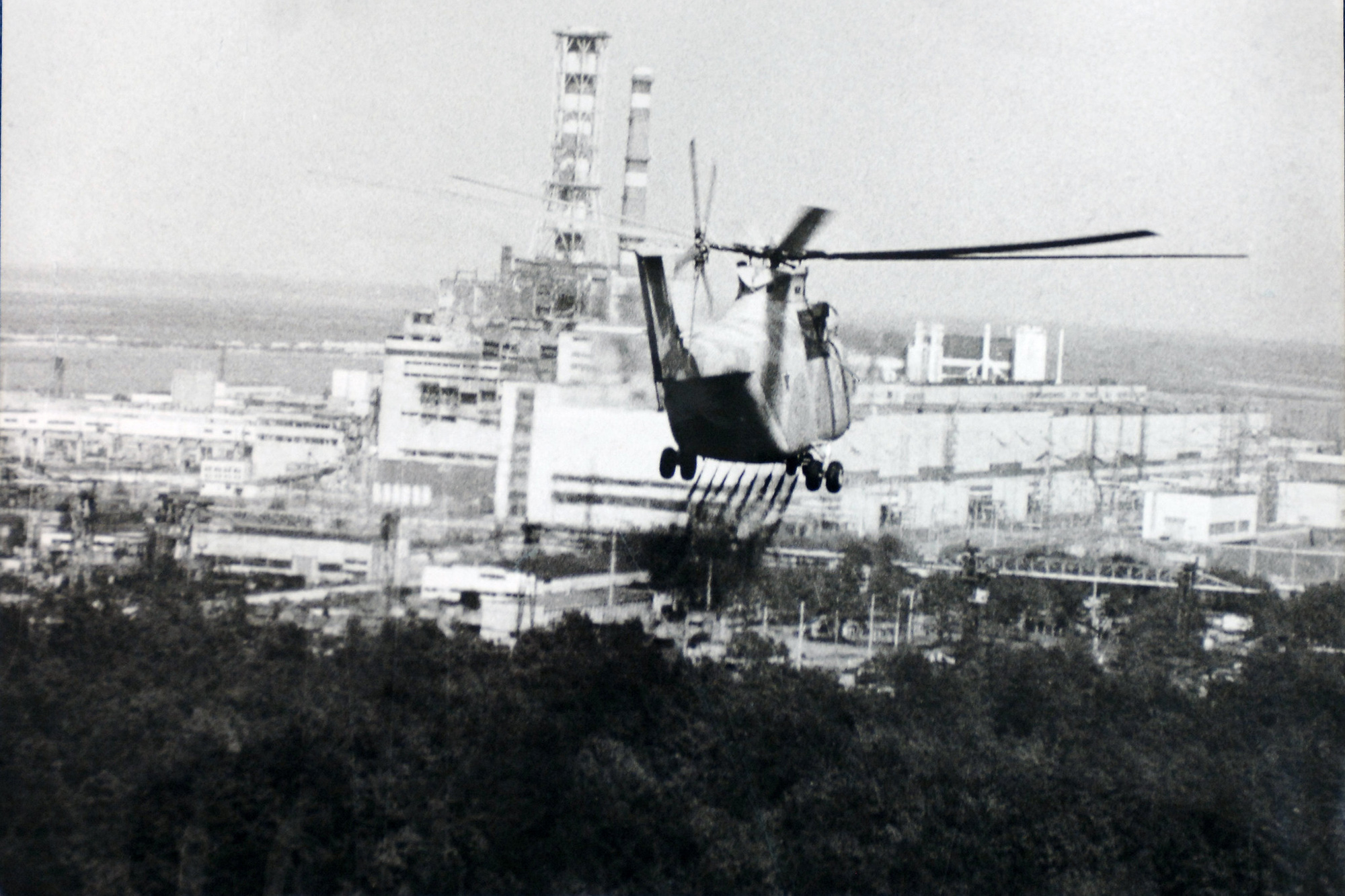
An explosion at the Chernobyl Nuclear Power Plant on 26 April 1986 spread a radioactive cloud over large parts of the Soviet Union, now the territories of Belarus, Ukraine and the Russian Federation. Nearly 8.4 million people were exposed to the radiation. Since then, international cooperation in nuclear safety has significantly intensified, but the head of the International Atomic Energy Agency (IAEA), Rafael Grossi, has warned that the world is dangerously close to a nuclear accident. Recent developments at the Zaporizhzhia Nuclear Power Plant in Ukraine highlight the need to minimize risks.
The International Atomic Energy Agency launched its first scientific research expedition to investigate the presence of microplastics in Antarctica as part of efforts to combat this growing environmental problem, even in the planet’s most remote areas.
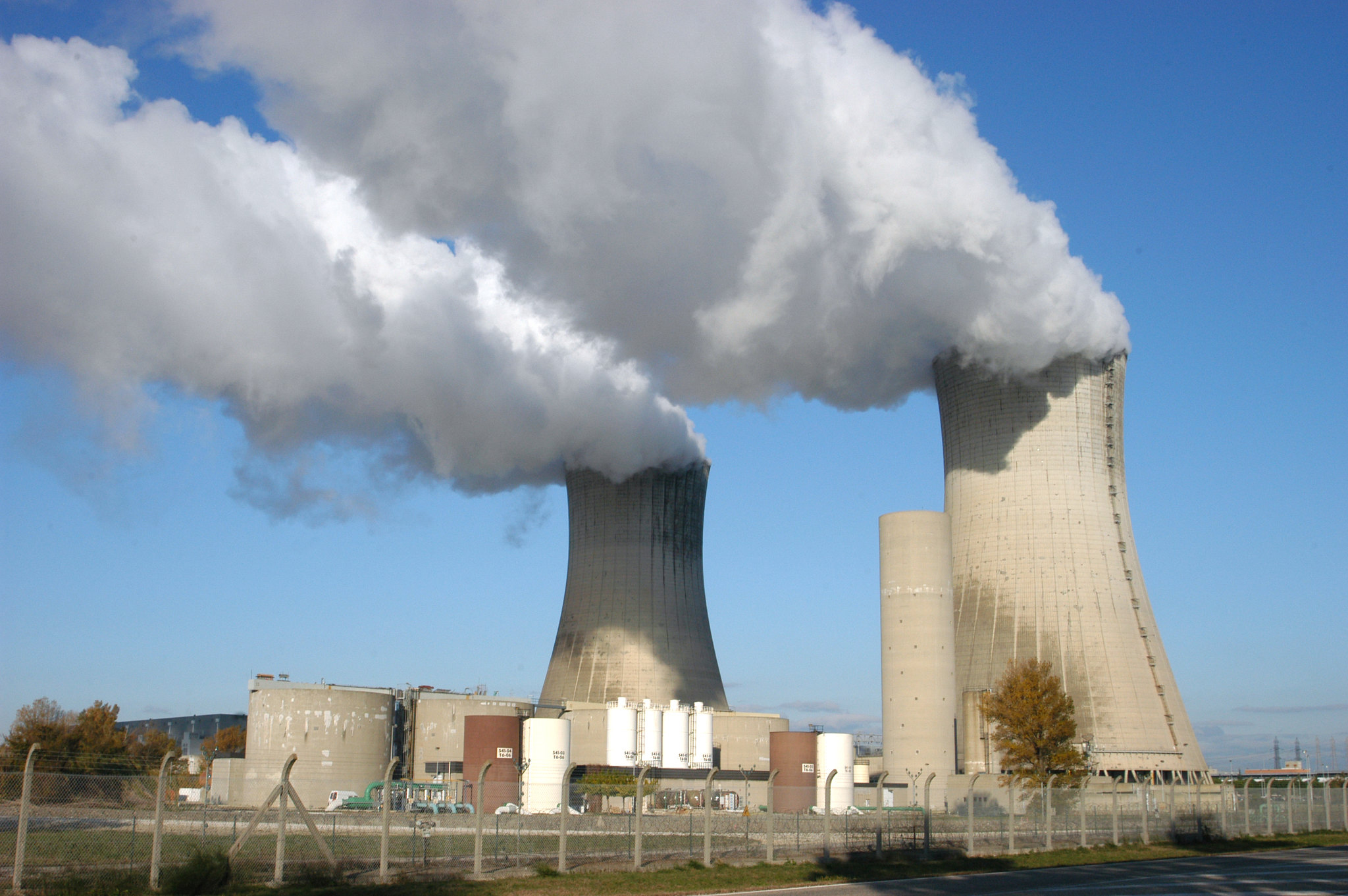
While nuclear technology has numerous peaceful applications, such as in medicine, agriculture, and energy production, it also casts challenges that transcend national boundaries, and global cooperation is often necessary to address them effectively.
The 67th Regular Session (25 - 29 September 2023, Vienna) of the IAEA General Conference presents an opportunity for world leaders to engage in open dialogue, transparency and foster cooperation in the peaceful and responsible use of nuclear technology while ensuring global security.
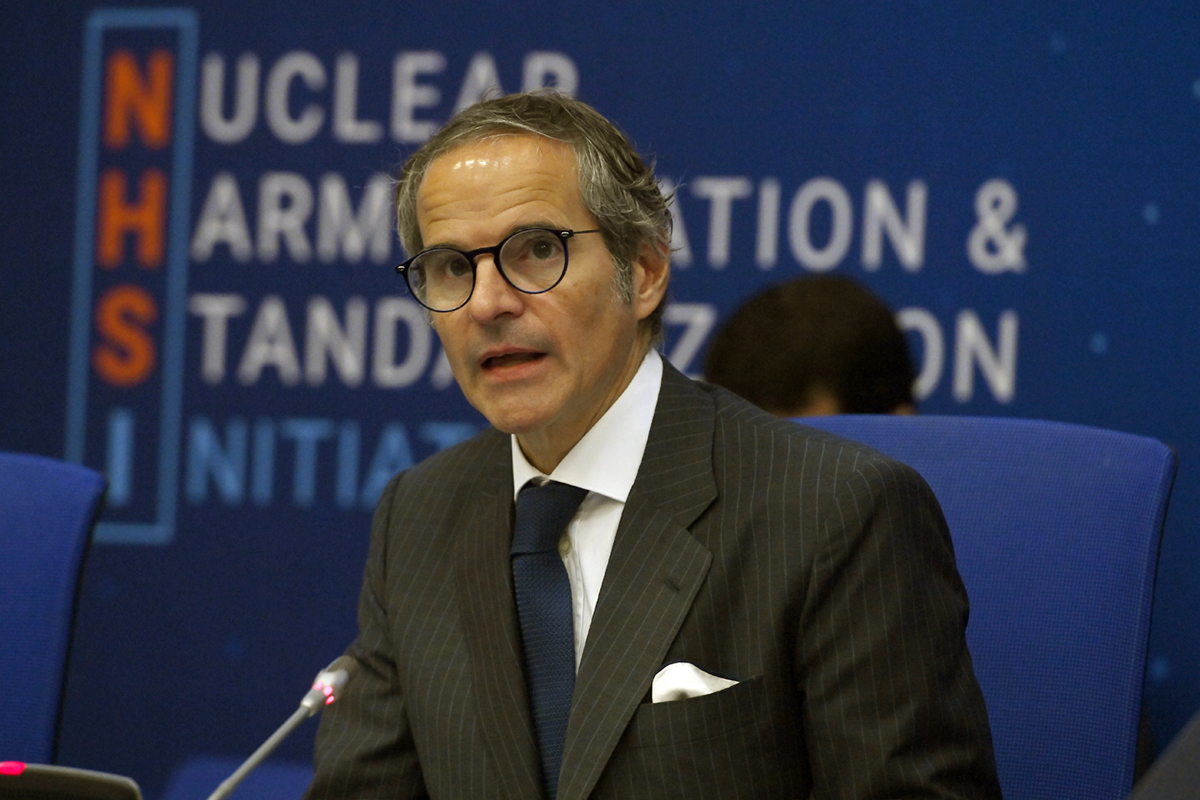
In the latest IAEA Bulletin, Director-General Rafael Mariano Grossi talks about the role of nuclear power in meeting global emissions targets.
The International Atomic Energy Agency (IAEA) Director General Rafael Mariano Grossi explains how the Agency is monitoring the discharges of treated water from the Fukushima Daiichi nuclear power plant in Japan into the ocean. "Credibility, reliability depend on availability of information. And this is what the dedicated monitoring webpage of the IAEA will give."
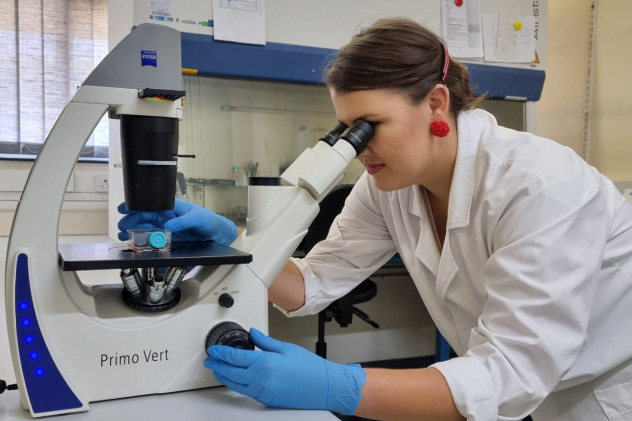
The IAEA Marie Sklodowska-Curie Fellowship Programme (MSCFP) seeks to inspire young women to pursue a career in the nuclear field through scholarships for students studying nuclear related subjects as well as internship opportunities.
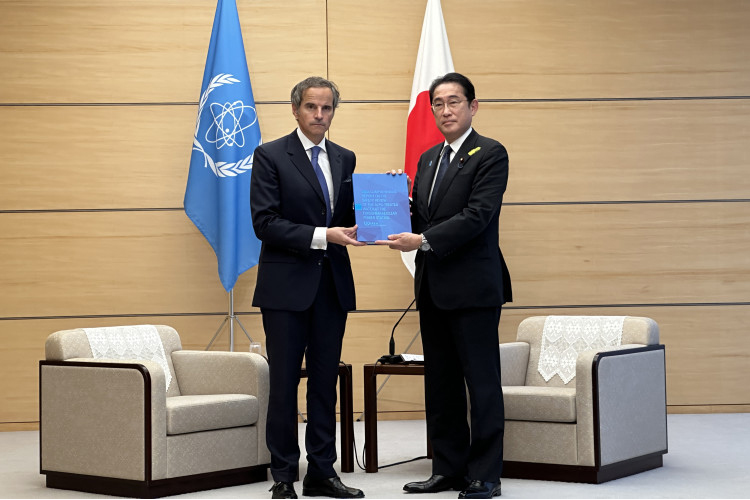
IAEA safety review has concluded that Japan’s plans to release treated water stored at the Fukushima Daiichi nuclear power station into the sea are consistent with IAEA Safety Standards.

As AI technologies become increasingly sophisticated, they will transform industries, streamline processes and may even impact how we live our lives including the nuclear sector. AI has shown its potential to benefit people who use nuclear technology for peaceful ends. It will not replace the workforce but rather it will establish resources and insights that will make early detection and response in computer security realistically achievable. IAEA highlights how to adopt AI technologies effectively and proactively by embracing the benefits while addressing its risks.

A recent IAEA Bulletin features the valuable lessons to be learned from completed and ongoing decommissioning projects - the final stage in the lifecycle of any nuclear and radiological facility.
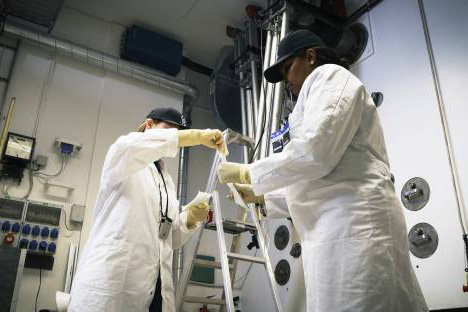
The IAEA brings together experts to verify that nuclear material and technology are only used for peaceful purposes - including the collection and analysis of samples from nuclear and other sites.