
Scammers target students with “easy money” schemes that can turn illegal, labeling you a money mule and putting your future—jobs, loans, and legal standing—at risk.
Drugs and Crime

Fraud has become a core business for organized criminal groups. Rapidly evolving and increasingly transnational, it erodes public trust, destabilizes economies and harms individuals, communities and governments worldwide. Fraud thrives in isolation, and no single jurisdiction or sector can tackle it alone. Organized by the Office on Drugs and Crime (UNODC) and INTERPOL, the Global Fraud Summit 2026 (16–17 March, Vienna) drives stronger global cooperation, shares cutting‑edge insights and turns commitments into concrete action against transnational fraud. Follow the event on UN Web TV.

The International Narcotics Control Board (INCB) launches its 2025 Annual Report and Precursors Report on 26 February 2026 at 11 a.m. (CET). This year, the report focuses on international cooperation in drug control, highlighting how States work together to address the world drug problem, including illicit trafficking, precursor control, and access to controlled medicines. It also discusses broader United Nations priorities such as peace and security, sustainable development, and human rights as they relate to drug policy. Watch the launch.
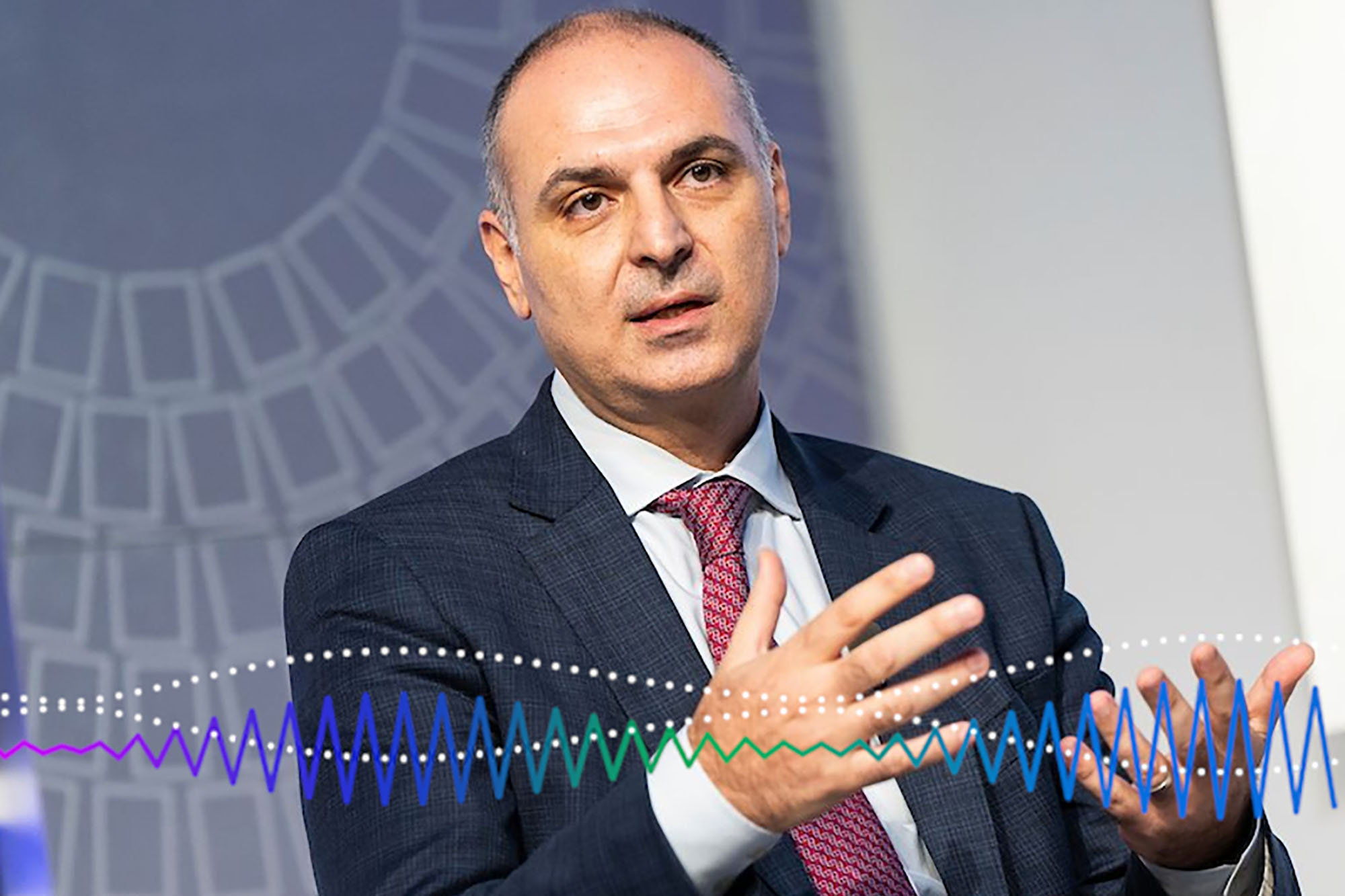
While countries came together in the late 80s to fight money laundering and the financing of terrorism, technology and the advent of virtual currencies have further complicated the tracking of illicit financial flows across borders. Over $51 billion in cryptocurrency was used by criminals last year to circumvent traditional banking regulations. Chady El Khoury is an assistant general counsel and heads the Financial Integrity Group at the IMF. In this podcast, El Khoury says the anonymity of virtual currency transactions is supercharging the ability for criminals to grow their empires.
Every day, tobacco and nicotine industries use carefully engineered products and deceptive tactics to hook a new generation of users and keep existing ones. Unmask the appeal.

“The so-called War on Drugs has destroyed countless lives and damaged entire communities. These policies are simply not working, and we are failing some of the most vulnerable groups in our societies,” UN Human Rights Chief Volker Türk said at a recent speech on global drug policies. For decades, governments have adopted a largely punitive approach to control narcotic drugs. UN experts say the results have been catastrophic, and cite some of the harmful consequences: Mass incarceration rates, increased drug-related crimes and violence, record numbers of drug-related deaths, growing illegal production of drugs, and stigmatization and discrimination of entire communities. However, positive changes are emerging, as countries like the Philippines, Ghana, Pakistan, and Colombia shift towards drug policies that prioritize public health, dignity, and human rights over punishment.

Illicit drug markets continue to expand, and the harms caused by drug trafficking and illicit drug economies are contributing to many threats, from instability and violence to environmental devastation. On 10-14 March in Vienna, the high-level segment of the Commission on Narcotic Drugs (CND) will review the implementation of all international drug policy commitments. The CND analyzes the global drug situation, considering the interrelated issues of prevention of drug abuse, rehabilitation of drug users and supply and trafficking of illicit drugs.
With UNODC's support, farmers in regions like Myanmar, Peru, and Afghanistan are shifting from illicit crops to coffee cultivation, promoting sustainable development and economic stability.

Organized crime steals, corrupts and kills. It’s time we pull together to push back. International Day for the Prevention of and Fight against All Forms of Transnational Organized Crime calls for united global action. The devastating impact of organized crime threatens lives, destabilizes communities and hinders economic and social development. But despite these challenges, there is hope. This day serves as a rallying point for action, demonstrating that collective efforts — by governments, the private sector, civil society and individuals — can achieve real change. #StopOrganizedCrime

The global drug problem presents a multifaceted challenge that touches the lives of millions worldwide. Central to addressing this challenge is the imperative to adopt a scientific evidence-based approach that prioritizes prevention and treatment. This year’s International Day Against Drug Abuse and Illicit Trafficking campaign recognizes that effective drug policies must be rooted in science, research, full respect for human rights, compassion, and a deep understanding of the social, economic, and health implications of drug use.
Illicit drug markets continue to expand and harms caused by drug trafficking and illicit drug economies are contributing to many threats, from instability and violence to environmental devastation. On 14-15 March in Vienna the high-level segment of the Commission on Narcotic Drugs (CND) will hold the 2024 mid-term review on the implementation of all international drug policy commitments and its 2019 Ministerial Declaration. CND analyzes the global drug situation, considering the interrelated issues of prevention of drug abuse, rehabilitation of drug users and supply and trafficking of illicit drugs.

The world drug problem is a complex issue that affects millions of people worldwide. Many people who use drugs face stigma and discrimination, which can further harm their physical and mental health and prevent them from accessing much needed help. The focus of this year’s International Day against Drug Abuse and Illicit Trafficking is to stop the stigma and discrimination by leading with compassion and treat people who use drugs with empathy, as well as by promoting respect in language and attitudes. The campaign also seeks to offer alternatives to punishment and to prioritize prevention.
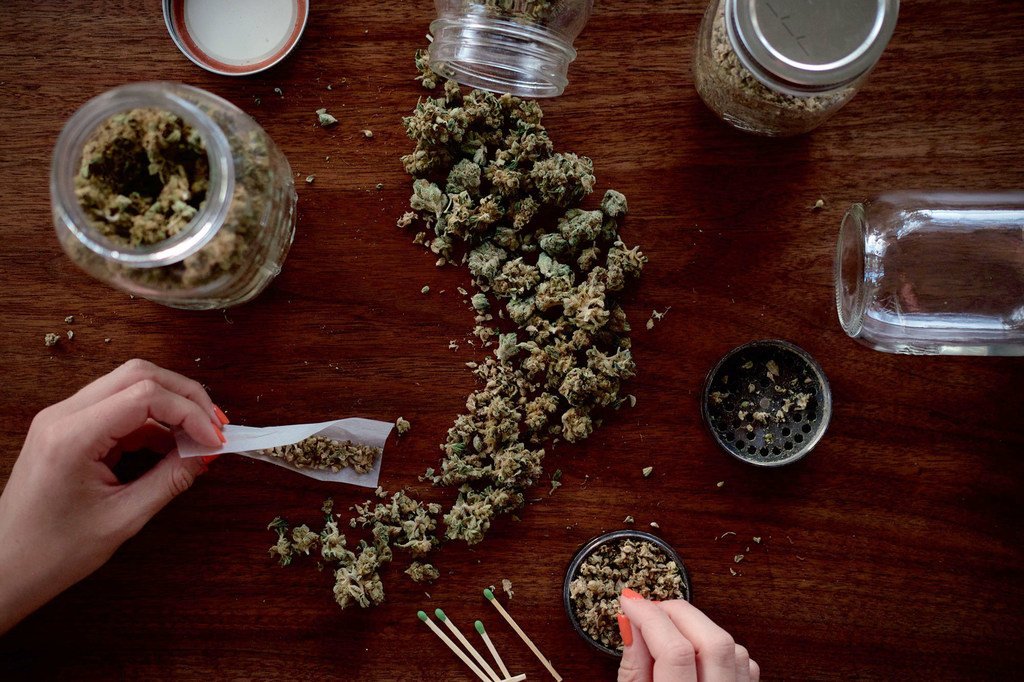
The International Narcotics Control Board (INCB) is launching its 2022 Annual Report with a special chapter on the trend towards the legalization of the non-medical use of cannabis. In the report, INCB highlights that the non-medical use of cannabis contravenes the 1961 Single Convention on Narcotic Drugs, which classifies cannabis as a highly addictive substance. Taking a detailed look at this trend throughout a small number of countries, INCB notes that cannabis legalization can cause many negative health effects, particularly among young people.
The “What Were You Wearing?” art exhibit at the United Nations invites observers to see the outfits worn by sexual assault survivors at the time of their attack, confronting and refuting the implicit victim blaming in that question. Featuring contributions by survivors, including Paris Hilton, as well as the United Nations Deputy Secretary General and other officials, this video shows how the campaign by Rise and the Spotlight Initiative shifts blame for sexual assault to where it belongs: squarely on the perpetrators.
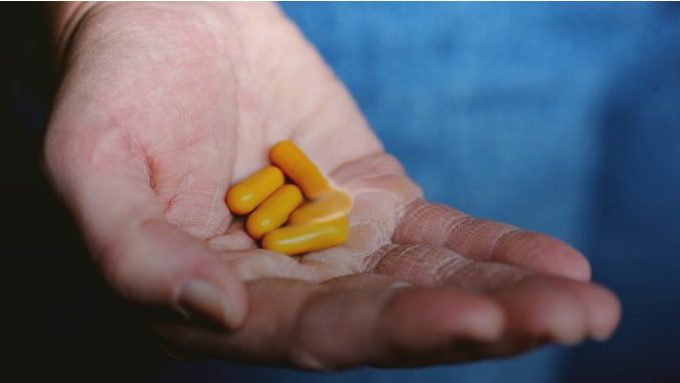
Social media influencers are glamourizing the use of cannabis, heroin and other controlled substances, and governments and companies need to do more to stop these kinds of messages being spread on popular platforms, the head of a UN-backed drug control body warned on Thursday. Jagjit Pavadia, the President of the International Narcotics Control Board (INCB), spoke to Conor Lennon from UN News on the launch of the organization’s annual report, which also shows that many potentially harmful drugs are easily available online. Ms. Pavadia began by outlining the scale of the problem, and the danger it poses, particularly to young people and children.