

After escaping a scam compound, Fah rebuilds her life through manicure training, legal support and a renewed dream of starting her own business.
Slavery and Human Trafficking

A job offer in Cambodia became trafficking and forced labour for Eric and his pregnant wife, until IOM helped their family return home safely.

The Second International Decade for People of African Descent (2025–2034) builds on the progress of the first Decade by advancing recognition, justice and development while accelerating action against persistent inequalities, systemic racism, and the enduring impacts of racialized chattel enslavement and colonialism. The 2026 International Day for People of African Descent (31 August) highlights expanding human rights through stronger legal, policy, and institutional measures, with a focus on reparatory justice, youth leadership, and implementation of the Durban Declaration and Programme of Action.

After surviving months of trafficking in a Myanmar scam compound, Jean returned to Rwanda determined to rebuild his life and warn others about trafficking risks.

False promises of opportunity drive vulnerable migrants into trafficking networks, where hope is exploited for profit, leaving families burdened by debt, trauma, and loss.

This year's World Day Against Trafficking in Persons theme, "Trapped Behind the Scam," exposes the hidden human cost of online fraud. Behind many romance scams, cryptocurrency schemes, and fake investment offers are victims of human trafficking—people lured by false job promises, then trapped in scam compounds and forced to commit cyber-enabled crimes under threats, violence, and coercion. Ending these crimes requires stronger cross-border cooperation, protecting survivors, and dismantling the criminal networks that profit from exploitation.

Her life today looks very different from the years abroad, a reminder of the harm trafficking causes and the strength required to rebuild. Healing begins anew with the help of IOM and partners.

The transatlantic enslavement of Africans stands among humanity’s gravest injustices. Millions were torn from their homes, stripped of dignity, and forced into generations of exploitation. The racist ideologies behind this crime became embedded in institutions, shaping inequalities that persist today. This year’s International Day of Remembrance of the Victims of Slavery and the Transatlantic Slave Trade (25 March) theme, Justice in Action, urges confronting this history, protecting Afro‑descendant rights, expanding opportunities, and supporting repair and inclusion. Watch the meeting on UN Web TV.
An estimated 50 million people worldwide live in modern slavery, including 28 million in forced labour and 22 million in forced marriage, with children disproportionately affected. Despite 181 of 187 ILO members ratifying the 1930 Forced Labour Convention and adopting a strengthening Protocol in 2014, global efforts to eliminate forced labour continue.

Modern slavery hides in plain sight, tightening its grip across the globe. The International Day for the Abolition of Slavery (2 December) reminds us that slavery is not a relic of the past. While more than 15 million people were once seized, shackled and sold during the transatlantic slave trade, today 50 million people are trapped in forced labour or forced marriage, 10 million more than in 2016. Women and children remain most at risk from this scourge. Modern slavery exists in nearly every country; over half of all forced labour and one in four forced marriages occur in high-income nations.

On the night of 22 to 23 August 1791, an uprising in Saint Domingue (now Haiti) marked a pivotal moment in the fight against the transatlantic slave trade. To honor this event, the International Day for the Remembrance of the Slave Trade and its Abolition is observed annually on August 23. This day was first commemorated in Haiti (1998) and on Gorée Island, Senegal (1999). It aims to keep the memory of the slave trade alive, encouraging reflection on its historical causes, methods, and consequences while fostering dialogue among Africa, Europe, the Americas, and the Caribbean.
United Nations Office on Drugs and Crime exposes how traffickers exploit migrants and urges all people on the move to report abuse, affirming their rights regardless of immigration status.

Through powerful survivor testimonies and public art, IOM Moldova brings visibility to trafficking victims and strengthens national response efforts.

Human trafficking continues to be a global threat driven by organized crime. More and more victims are being trafficked every year, across greater distances, with greater violence, for longer periods of time and for greater profit. Despite some progress, criminal justice responses fall short in tackling this rapidly evolving crime. This year’s campaign for the World Day Against Trafficking in Persons (30 July) highlights the vital role of law enforcement and the criminal justice system in dismantling organized trafficking networks, while ensuring a victim-centred approach.
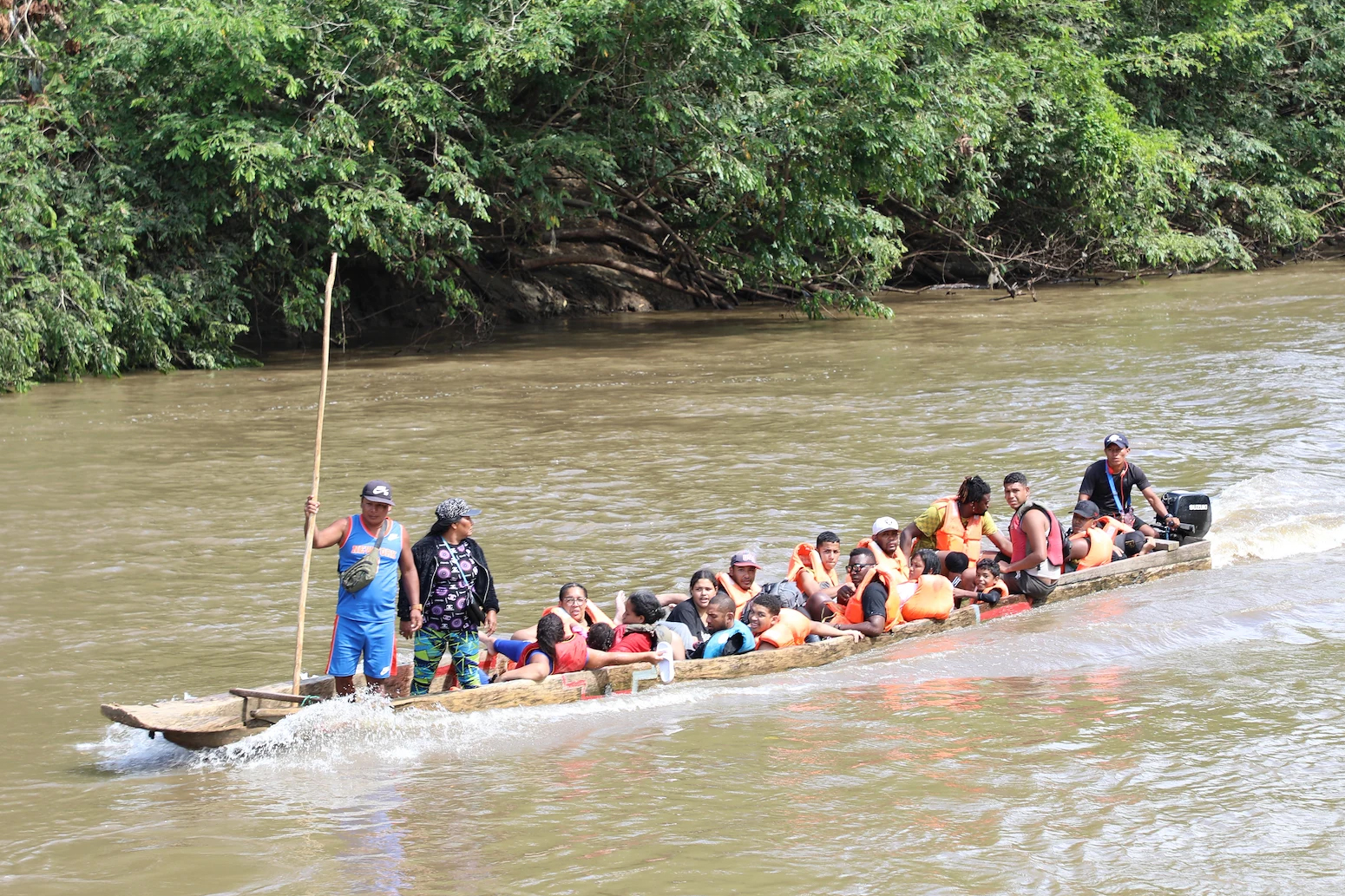
A new United Nations Office on Drugs and Crime (UNODC) report reveals significant differences in how countries criminalize migrant smuggling, despite global efforts to tackle this organized crime.