

The fight against climate misinformation is a global effort involving governments, academia, media, and civil society. These actors engage in research, policy advocacy, education, and public outreach to combat misinformation that undermines climate understanding and action. The UN has launched the Global Principles for Information Integrity to promote healthy information spaces, and in November 2024, a Global Initiative for Information Integrity on Climate Change was established by Brazil, the UN, and UNESCO. However, most efforts are concentrated in the Global North, highlighting the need to empower Global South stakeholders to address climate misinformation.
Disinformation

The rise of deep fakes, conspiracy theories, clickbait, and phishing has made it difficult to trust what we see online. Our social media feeds are flooded with messages, sounds and images that may or may not be true. Pandering to our prejudices. Putting literal words in the mouths of political leaders. Fueled by AI and algorithms, misinformation threatens democratic processes and human rights. The United Nations Development Programme (UNDP) is at the forefront of defending information integrity in elections, providing strategic guidance, monitoring online content, and promoting digital literacy to combat hate speech and misinformation.

The internet and social media empower societies with enormous opportunities for people to communicate, engage and learn. However, digital platforms have also been used as vectors for disinformation, hate speech, conspiracy theories and other potentially harmful content. The United Nations addresses online safety through various programmes. The Verified campaign delivered fact-based information during the pandemic; ITU focuses on cybersecurity; UNICEF combats cyberbullying and UNESCO has an action plan to combat online disinformation.
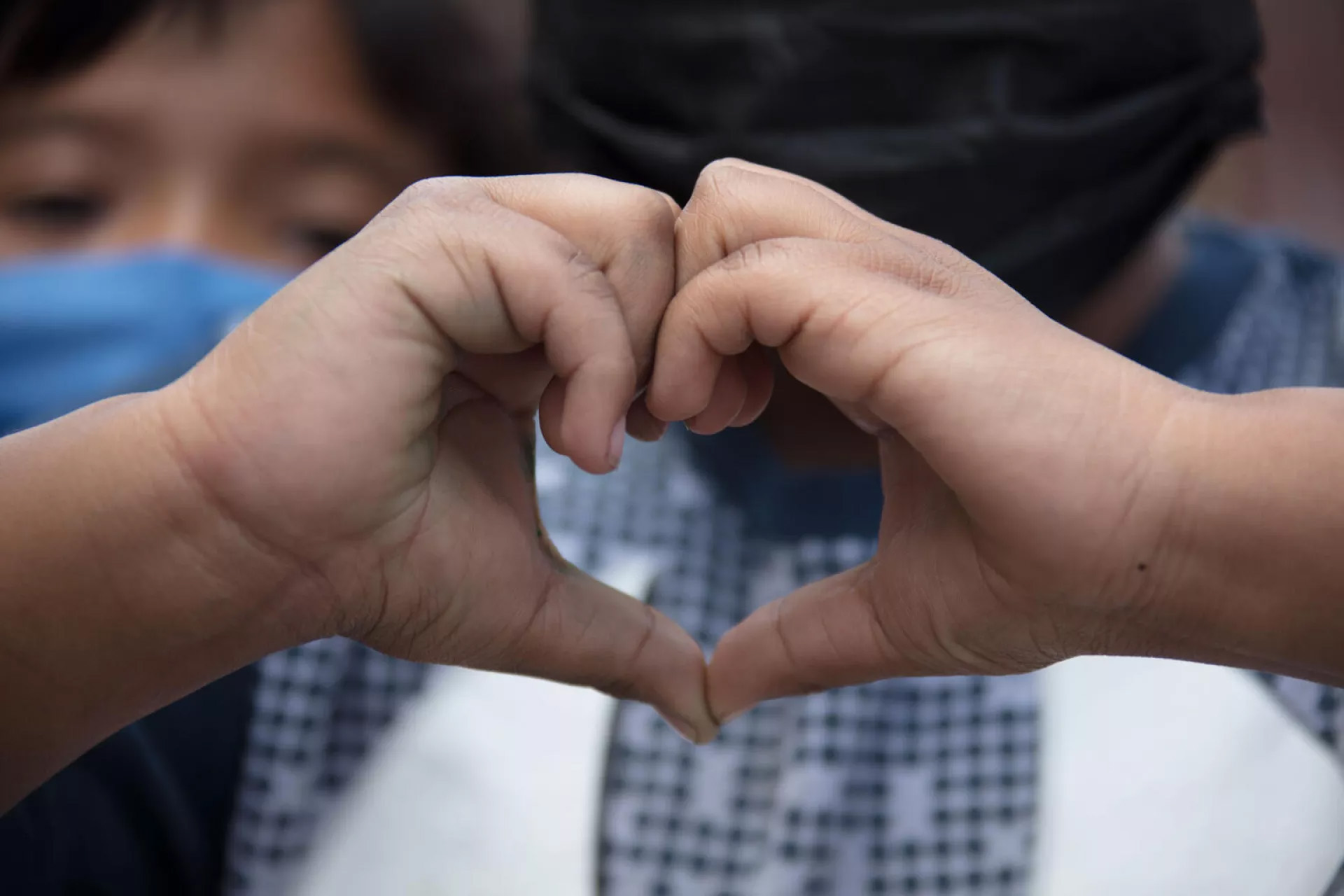
Whether in person or online, almost all children and young people will encounter hate speech at some time. It’s important to help them recognize it and know what to do when they encounter it.
UNESCO has initiated a global conversation on how to foster peace and dialogue in the digital sphere to fight disinformation and hate speech.
This is an important conversation for everyone, but it is especially important for young people, who are the most likely to be exposed to misinformation and disinformation online

Rapid technical transformations have completely upended the ways people interact, communicate and access information. Yet these dramatic shifts have also had negative consequences, including the much-accelerated rate at which misinformation, disinformation, and even hate speech spread. In his report, Countering disinformation for the promotion and protection of human rights and fundamental freedoms, the Secretary-General describes the challenges posed by disinformation, as well as the response that States and technology enterprises are taking to counter it.