
Find out more in
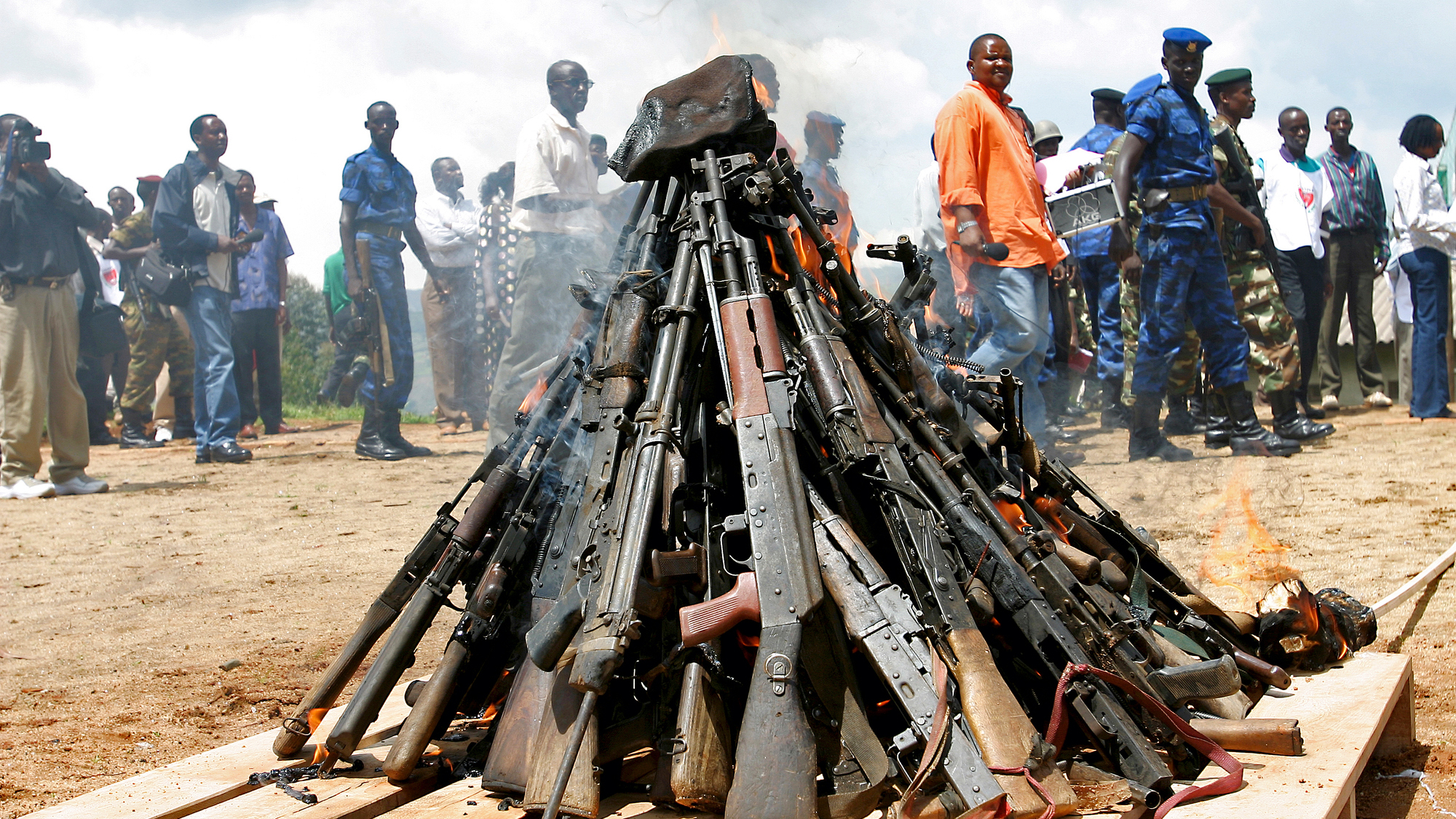
Disarmament
Global Issues

In his message for the International Day for Disarmament and Non-Proliferation Awareness (5 March), the UN Secretary-General points to escalating military spending, rising geopolitical tensions, and the spread of deadly weapons, stressing that disarmament and non-proliferation are vital to peace and human survival. He demands stronger systems to prevent proliferation and fulfill disarmament obligations, calling for action on nuclear, chemical, biological, and emerging tech risks. António Guterres urges leaders to "step back from the brink. Stop rattling the nuclear saber. Halt the arms races."
Marking 30 years of the Comprehensive Nuclear-Test-Ban Treaty Organization (CTBT), the world celebrates a near-universal commitment to end nuclear testing, upheld by a unique global verification network and proving that multilateral progress is possible.

Weapons of mass destruction, particularly nuclear weapons, are back in the spotlight amid renewed concern over their devastating power and the existential threat they pose to humanity. At the same time, the build-up and illicit trafficking of conventional arms threaten global peace and civilian safety, particularly in urban areas. New and emerging technologies like autonomous weapons add new risks as norms lag behind innovation. Amid rising geopolitical tensions, disarmament and arms control remain vital, with genuine dialogue and negotiation offering the best hope to prevent conflict.

The Conference on Disarmament (CD) is a single multilateral disarmament negotiating forum of the international community. Over the years, it has considered the issues of cessation of the nuclear arms race and nuclear disarmament, the prevention of nuclear war and the prevention of an arms race in outer space. The CD has 65 member States, including the nuclear weapon States and 60 other States. In addition, every year, non-member States participate, upon their request, in the CD’s work. It meets in an annual, three-part session (10, 7, and 7 weeks) starting in the penultimate week of January.

Nuclear weapons offer no security, only the threat of annihilation, with around 12,241 still in existence. The International Day for the Total Elimination of Nuclear Weapons (26 September) reminds us of the Cold War’s central lesson: humanity once risked its survival. Sadly, the shadow of nuclear annihilation is still with us and spreading fast, fueled by divisions and mistrust, along with rising military spending, growing stockpiles, and nations using nuclear threats as coercion. Humanity is headed in the wrong direction. It’s time to chart a new course for lasting peace through disarmament.

This year, the International Day against Nuclear Tests (29 August) comes amid rising geopolitical tensions and growing nuclear risks — including the disturbing prospect of a return to nuclear testing. In 2025, we commemorate the 80th anniversary of the first nuclear test. We must never forget the legacy of over 2,000 nuclear weapons tests carried out over the past eight decades. The effects of these explosions have been horrific. Now is the time to silence the bombs before they speak again.

This year marks the 80th anniversary of the atomic bombings of Hiroshima and Nagasaki, Japan, on 6 and 9 August. Every year, Hiroshima holds the Peace Memorial Ceremony to console the souls of those lost to the atomic bombing, as well as pray for the realization of lasting world peace. Weapons of mass destruction, in particular nuclear weapons, remain a major concern due to their destructive power and threat to humanity. The UN has sought to eliminate such weapons ever since its establishment. Let’s work together to banish these devices of destruction to the history books, once and for all.

Mines, explosive remnants of war, and improvised explosive devices continue to cause death and injury, especially in situations of armed conflict. On average, one person is killed or injured by such explosive devices every hour. Mine action leaders and experts are attending the 28th International Meeting of Mine Action National Directors and United Nations Advisers (Geneva, 9 - 11 April). The goal of the meeting is to network and exchange views on pressing issues facing the sector. Under the overarching theme of "Safe futures start here," it includes five plenary sessions and 31 side events.

Humanity’s future depends on investing in the machinery of peace, not the machinery of war. Yet global tensions and nuclear threats are rising, and guardrails are eroding. The spread of small arms and light weapons, and advances in technologies such as AI and quantum computing, heighten the dangers. On this International Day for Disarmament and Non-Proliferation Awareness (5 March), we urge leaders to strengthen systems to prevent the proliferation, testing and use of deadly weapons and fulfill their disarmament obligations. It's time to turn words into actions for a peaceful future for all.
By 2045, when United Nations celebrates its 100th anniversary, will disarmament, arms control, digital weaponization prevention, and diplomacy have effectively addressed global security challenges?

Learn how the OPCW has verified the destruction of all declared chemical weapons stockpiles. The OPCW is the Organisation for the Prohibition of Chemical Weapons. With 193 Member States and a Technical Secretariat, the OPCW is responsible for implementing the Chemical Weapons Convention. In 2023 OPCW verified that all declared chemical weapons stockpiles have been destroyed. This video explains how this historic milestone was achieved.

Every year, the City of Hiroshima holds the Peace Memorial Ceremony to console the souls of those lost to the atomic bombing on 6 August 1945, as well as pray for the realization of lasting world peace. Weapons of mass destruction, in particular nuclear weapons, continue to be of primary concern, owing to their destructive power and the threat that they pose to humanity. The UN has sought to eliminate such weapons ever since its establishment. Let’s work together to banish these devices of destruction to the history books, once and for all.
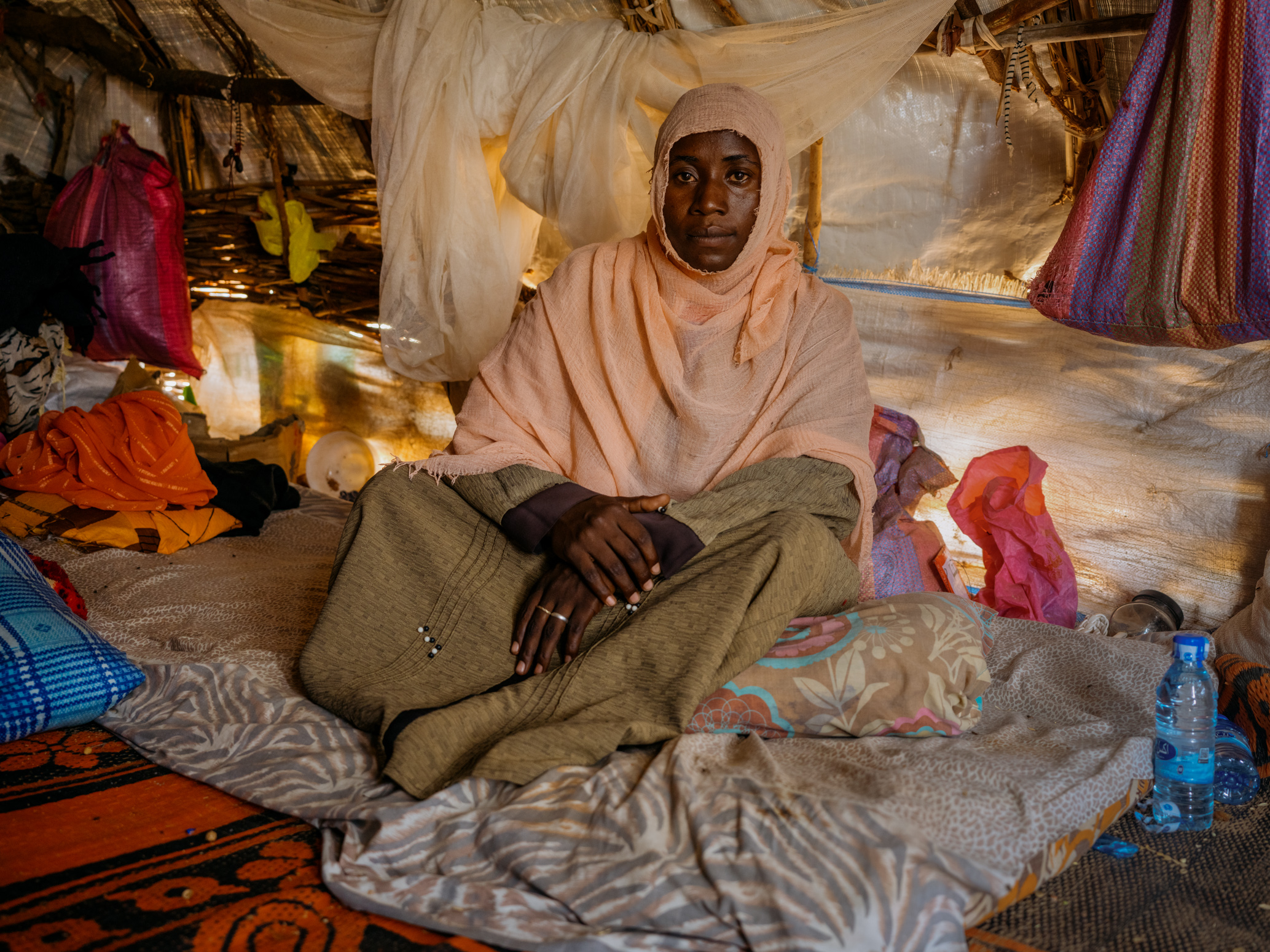
Mines, explosive remnants of war, and improvised explosive devices continue to cause death and injury. On average, one person is killed or injured every hour. Many of the victims are children. Survivors of explosive hazards with disabilities, and all people with disabilities living through conflicts, are the focus of the 2024 commemoration of the International Day for Mine Awareness and Assistance in Mine Action (4 April). Join the global effort to raise awareness and advocate for the needs and rights of all people with disabilities in conflict and peacebuilding settings.