Glaciers: Guardians of Earth's Future
Glaciers are nature’s frozen sentinels, vast rivers of ice and snow that carve the Earth, silently bearing witness to the passage of time and the shifting rhythms of our planet.
They are essential to Earth's ecosystem, acting as critical freshwater reservoirs and indicators of the planet's health. They provide water for millions of people, regulate sea levels, and support biodiversity.
Yet, these frozen giants are under threat. Rising global temperatures are causing glaciers to retreat at an alarming rate, leading to water scarcity, rising sea levels, and increasing the chances of natural disasters like floods or landslides.
These cascading changes jeopardize ecosystems, human livelihoods, and economies around the world. To address this urgent challenge, ambitious action to reduce greenhouse gas emissions is essential.
World Day for Glaciers along with the Decade of Action for Cryospheric Sciences (2025-2034), encourage us all to act to preserve the vital role of glaciers in sustaining life on Earth for generations to come.
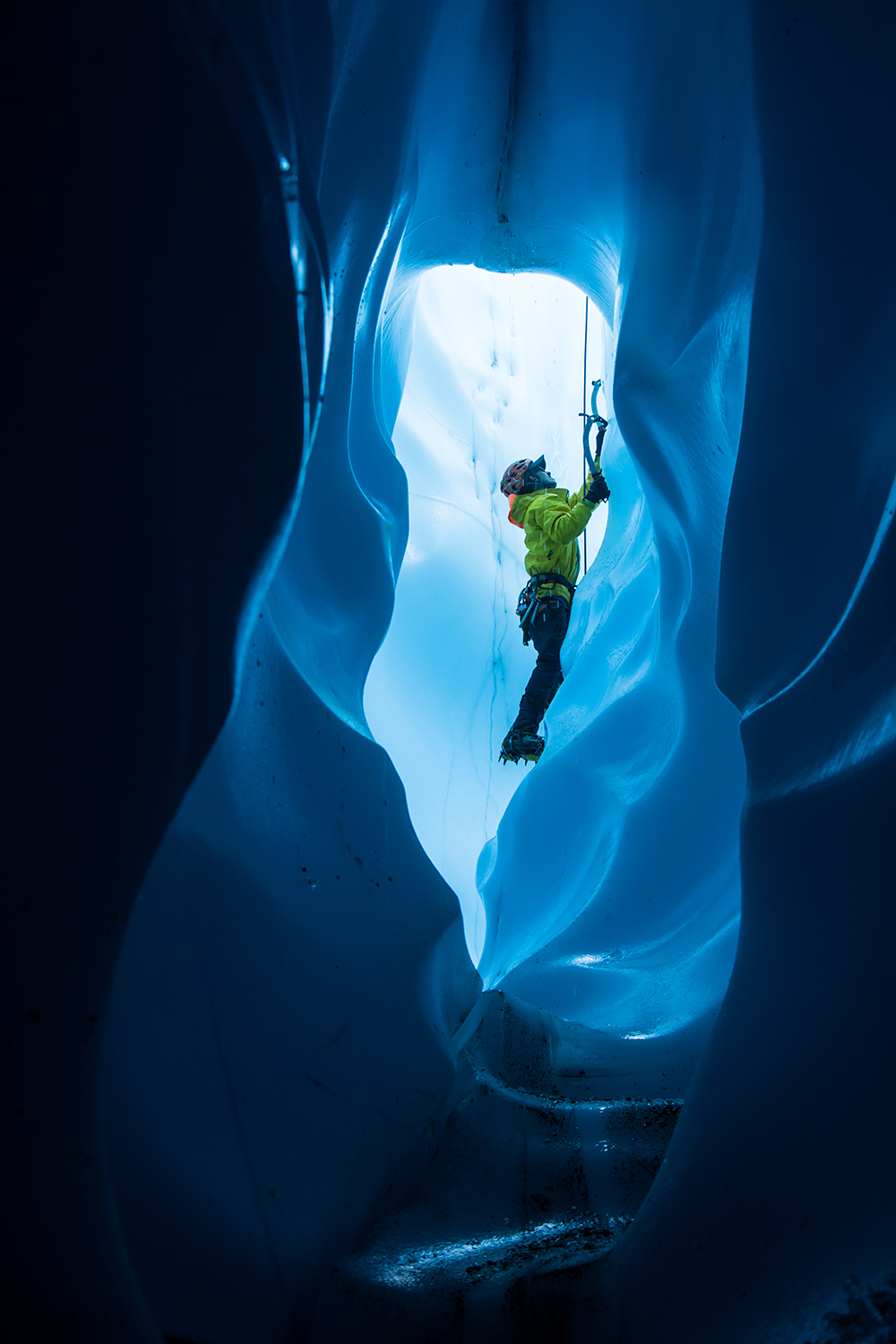
Join the movement, save the glaciers
UNESCO will celebrate the World Day for Glaciers at its Headquarters in Paris on 18-19 March 2026, closing the International Year of Glaciers' Preservation 2025 and launching the new Decade of Action for Cryospheric Sciences with dedicated sessions and side events highlighting the vital links between cryosphere, water and gender equality.
UNESCO thematic website about Glaciers
Did you know?
- More than 2 billion people —equivalent to more than the combined populations of China and the United States— depend on glacier and snowmelt as a crucial source of freshwater.
- The ongoing decline in glaciers contributes to global sea-level rise, with today’s sea level about 20 cm higher than in 1900.
- Glaciers are projected to vanish in one-third of the current sites by 2050.
- Three Olympic-sized pools of ice melt every second.
Reasons to defend our icy giants
UN Websites you should not miss
- International Year of Glaciers 2025
- World Meteorological Organization: cryosphere
- UNEP
- Climate Change
- UNFCCC
- World Water Day