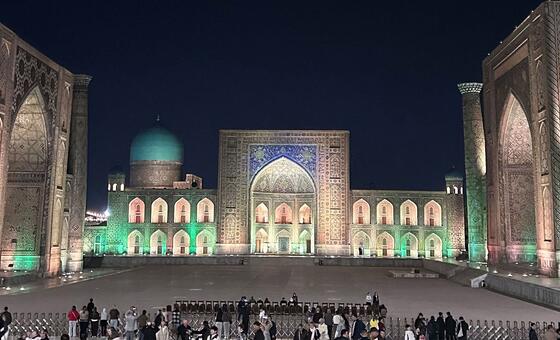
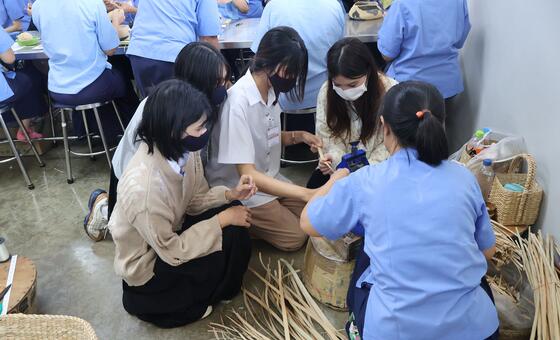
Representatives from across the international community are meeting in Samarkand, Uzbekistan, to ensure that children everywhere can thrive in a world marred by war, climate chaos and other fundamental challenges.
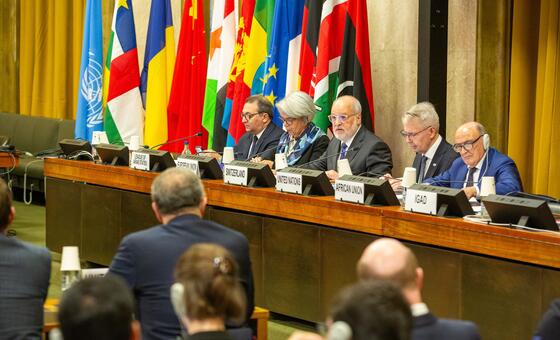
Talks to halt the fighting in Sudan and alleviate the humanitarian crisis there continued in Geneva on Wednesday, where nearly two dozen countries convened to discuss a pathway to a ceasefire and transition to peaceful governance that represents all Sudanese people.
Artificial intelligence is already being widely used on the battlefield, and the role of human judgment in military operations is shrinking rapidly, the head of the UN’s independent disarmament research institute warned on Tuesday.
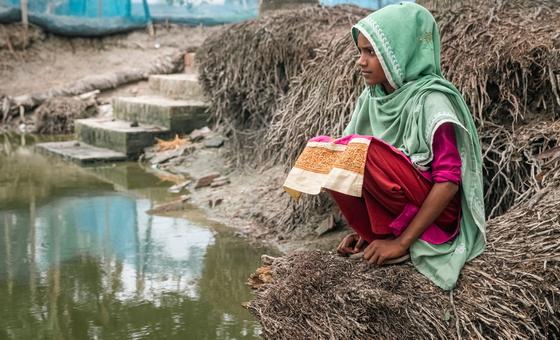
At 14, Bushra faced being married off – until community leaders at a UNICEF-supported child protection hub worked with her father to prevent her from being given away against her will.
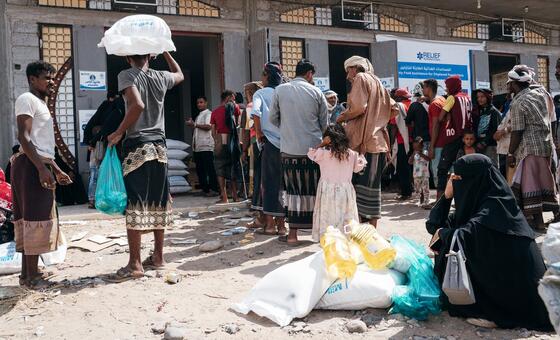
More than 250,000 people have now fled renewed fighting in Yemen, the UN said on Tuesday, citing particular concern for those sheltering in the southwestern city of Taiz and the wider governorate, where access is “essentially blocked”.
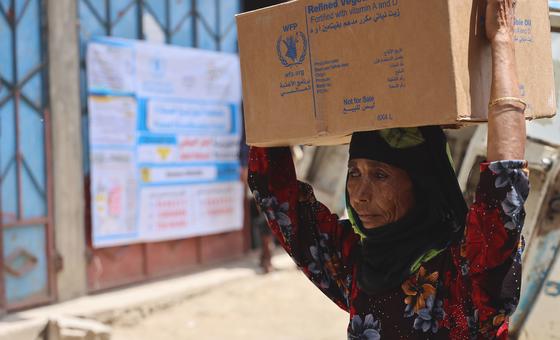
More than a quarter of humanity struggles to get enough food, even though the world produces enough for everyone, UN human rights chief Volker Türk said on Monday, blaming injustice and the denial of human rights for hunger in a world of plenty.
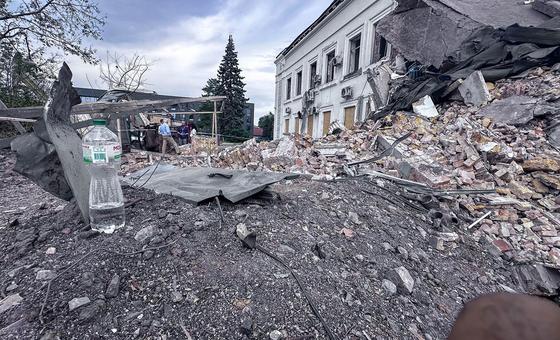
Civilian casualties in Ukraine remain at record levels, with intensified Russian attacks in September continuing a pattern of harm in 2026 far exceeding previous years, UN human rights monitors in Ukraine said on Friday.
UN News - Global perspective Human stories | Law and Crime Prevention
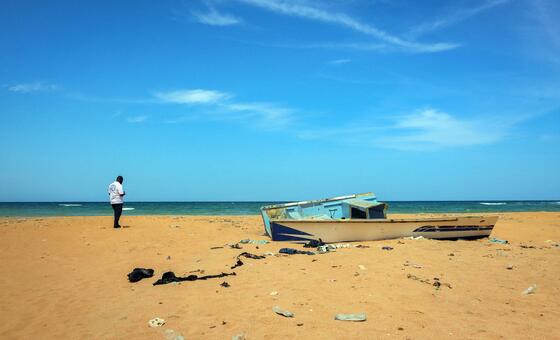
At least 139 migrants have died after their boat capsized off Djibouti, with a further 84 people still missing, the UN migration agency (IOM) said on Sunday.
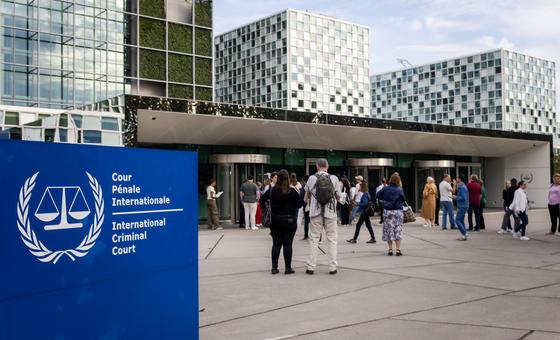
The United States has imposed sanctions on the International Criminal Court (ICC) as an institution, with Secretary of State Marco Rubio vowing on Friday to “dismantle the ICC, brick by brick” unless it ends what Washington regards as a “threat” to its citizens.
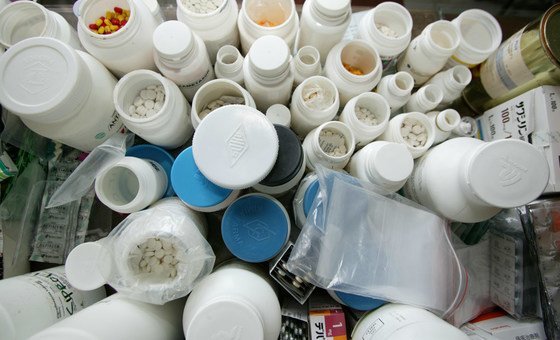
Antibiotics, malaria treatments, painkillers, opioids. More than 250 tonnes of medical products were seized over six years in Central Africa. Behind those numbers is an illicit market that thrives not simply despite the region’s fragile health systems, but in part because of them.