





International UN-Water Conference. Water in the Green Economy in Practice: Towards Rio+20. 3-5 October 2011
Session 4: Investments and fiscal measures for the protection and improvement of biodiversity to promote green growth
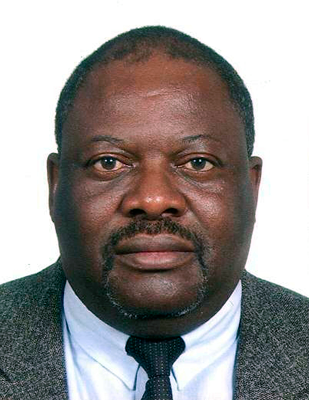
"In the transition to a green economy, we should focus on the issues that matter most."
Thomas Chiramba
>> Full interview
Convener: United Nations Environmental
Programme (UNEP)
Date: 4 October 2011
Time: 09:30 – 11:00
Place: Plenary Room
Speakers and panelists
- Overview of the session: Ms Elisa Tonda, Regional Officer, Division of Technology, Industry and Economics, UNEP - Regional Office for Latin America and the Caribbean
- Discussion with panelists:
Case 1. Kenya: Lake Naivasha's upper catchments. Ms. Batula Awale
Case 2. Ecuador: FONAG - The Fund for the Protection of Water. Mr Pablo Lloret
Overview of the tool
This overview paper  explains investments in the protection and improvement of biodiversity can act as a tool for change in supporting the transition to a green economy. It reflects on challenges faced, how the tool helps overcome the challenges, and lessons learnt from implementation.
Cases in the Plenary
Interviewing Batula Awale, Manager, Freshwater Programme, World Wide Fund for Nature (WWF) in Kenya
>> Full interview
- Case 1: Payment for Environmental Services pilot project in Lake Naivasha basin, Kenya
This case introduces the pilot Payment for Ecosystem Services scheme which provides a financial mechanism for payments for watershed services in Lake Naivasha Basin, Kenya. This scheme is developed by WWF-Kenya and CARE-Kenya together with local partners. Lake Naivasha Water Resource Users Association – on behalf of ecosystem service beneficiaries – agreed to compensate small-scale landowners/farmers, to forego some potential income for managing their land to provide good quality water to downstream users. The first incentive rewarded 470 farmers and the second benefited 504 farmers.
Interviewing Pablo Lloret, Secretary of the Water Protection Fund (FONAG)
>> Full interview (in Spanish)
- Case 2: FONAG – The Fund for the Protection of Water, Ecuador
This case describes that the private trust provides a stable, long-term financial mechanism, using revenues (interest and investments) derived from its equity to co-finance activities aimed at maintaining the hydrographic basins that supply the water needs of Quito Metropolitan District and its surrounding area of influence. FONAG works to ensure the provision of a quality by supporting actions directed at protecting water resources, based on the principles of long-term natural sustainability. Maintenance of water quality and quantity in river and associated ecosystems improves conservation status of freshwater habitats and the species that depend on them.
Case studies table
This table includes cases presented during the conference as well as additional cases which illustrate successful implementation of the tool. These will contribute to the preparation of input for the Rio+20 conference.
>> Conference Home
>> Statements from UN Agencies
>> Video recording of sessions
>> Ch1 Water on the Road to Rio+20
>> Ch2 Challenges and opportunities for water in the transition to a GE
>> Ch3 Thematic conference papers
>> Ch4 Conference summary: Water in the GE in practice
>> Ch5 The way forward
>> A1 Water toolbox: A contribution to Rio+20
>> A2 Feedback report
>> A3 Communications report
>> Case papers by tool
>> By region
>> Developing countries
>> Developed countries
>> Agenda
>> Economic instruments
>> Green jobs
>> Sustainable financing
>> Investments for biodiversity protection
>> Water technology
>> Water planning
>> ESCWA region
>> LAC region
>> Conference daily
>> Interviews with case presenters 
>> Presentations
>> Communications articles
>> Conference media brief
>> Daily press notes
>> Interviews with session conveners
>> Issues information briefs
>> Tools information briefs
>> Banners
>> Reader on water and the Green Economy
>> Conference poster
 >> Discussion forum
 >> Twitter
>> Water, energy and food security
>> Spanish Business Dialogue
>> Stakeholder dialogue on the Green Economy in Spain
>> Technical visit
>> Organizers
>> Participants
>> Conference committee
>> Rationale
>> Tools
>> Expected outcomes
>> 2nd UNCSD PrepCom
>> Road map to Rio+20
>> Key questions on GE